Online Children Education: Home Child Learning in the Modern Era
The landscape of childhood development has shifted dramatically over the last decade. What was once a rigid structure of physical classrooms and fixed schedules has evolved into a dynamic, flexible ecosystem known as Online Children Education: Home Child Learning. This transformation is not merely a reaction to global disruptions but a fundamental reimagining of how knowledge is transferred, absorbed, and applied by young minds. For parents, educators, and professionals observing the next generation, understanding this shift is no longer optional; it is essential for navigating the future of work, creativity, and personal growth.
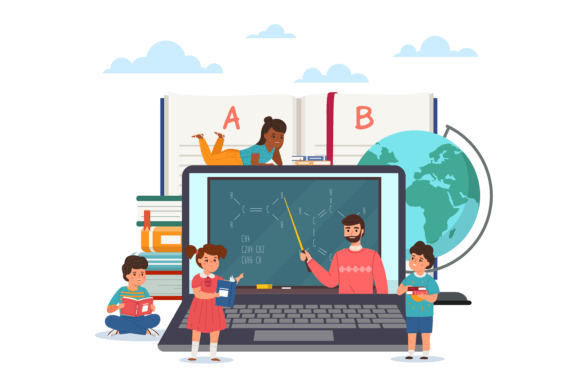
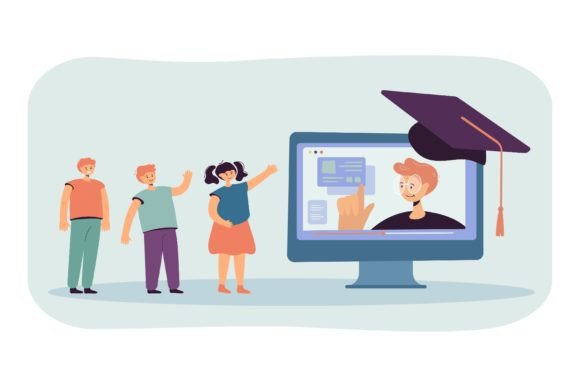
Imagine a scene that has become increasingly common in households worldwide: a mother sitting beside her daughter at a computer table, guiding her through a complex math problem while educational symbols float on the monitor screen. This image captures the essence of modern pedagogy—a blend of digital tools and human connection. It represents a move away from passive consumption toward active, collaborative learning where technology serves as a bridge rather than a barrier. The vector cartoon concepts often used to illustrate this scenario—showing a little pupil with a teacher via a digital interface—are more than just stock imagery; they are visual metaphors for a new reality where distance does not diminish the quality of instruction.
The Evolution of Digital Pedagogy
The journey of Online children education began with simple correspondence courses and basic video lectures. Today, it encompasses immersive virtual classrooms, gamified learning modules, and AI-driven personalized curricula. The evolution has been driven by a convergence of factors: advancements in broadband infrastructure, the ubiquity of smart devices, and a growing recognition that one-size-fits-all education models often fail to address individual learning styles.
In the past, home schooling was often viewed as an outlier choice, reserved for specific philosophical or religious communities. Now, Home Child Learning is a mainstream option embraced by diverse families. Professionals and entrepreneurs see the value in customizing their children's schedules to align with family business rhythms or travel needs. Educators recognize the potential for data-driven insights that allow them to tailor lessons to a child's specific pace and interests. The market preference has clearly shifted toward solutions that offer flexibility without sacrificing academic rigor.
This evolution also reflects changing user expectations. Parents today demand transparency and engagement. They want to know exactly what their children are learning and how they are progressing. The digital format allows for real-time monitoring and feedback loops that were impossible in traditional settings. A parent can now review a quiz result instantly, discuss it with their child, and adjust the learning path immediately. This level of involvement fosters a deeper understanding of the subject matter and strengthens the parent-child bond through shared educational goals.
Bridging the Gap Between Technology and Human Connection
A common misconception about online education is that it isolates children from social interaction. However, the reality of Online Children Education: Home Child Le often reveals a different story. While the physical classroom is absent, the digital environment creates new forms of community. Video conferencing tools enable face-to-face interactions with teachers and peers across the globe. Collaborative projects conducted on shared digital whiteboards teach teamwork and communication skills just as effectively as group work in a physical room.
The role of the parent has transformed from a passive observer to an active facilitator. In the scenario where a mother helps her daughter complete homework at a computer, she is not just checking answers; she is co-navigating the digital curriculum. She interprets the icons, explains the concepts displayed on the monitor, and provides the emotional support necessary when challenges arise. This partnership between parent and child is a cornerstone of successful home learning. It requires patience, adaptability, and a willingness to learn alongside the child.
Furthermore, the integration of school symbols and educational motifs into digital interfaces helps maintain a sense of structure and familiarity. When a child sees a familiar logo or icon representing a subject like science or history, it triggers a mental association with learning time. These visual cues are crucial in a home environment filled with distractions. They help delineate "school time" from "play time," providing the psychological boundaries necessary for focus and productivity.
Practical Implications for Families and Professionals
For adults aged 20 to 50, whether they are working professionals, freelancers, or business owners, integrating home child learning into daily life requires strategic planning. The flexibility of online education offers significant advantages for those managing complex schedules. A freelancer might schedule deep work sessions during the morning while their child attends live classes, then switch roles in the afternoon to assist with independent study projects.
However, this flexibility demands discipline. Without the external structure of a school bell, both parents and children must develop strong time-management skills. Creating a dedicated learning space within the home is vital. This space should be free from household noise and equipped with the necessary technology—a reliable computer, high-speed internet, and ergonomic furniture. The "computer table" mentioned in many educational illustrations is not just a piece of furniture; it is a command center for intellectual growth.
Businesses and employers are also beginning to recognize the benefits of employees who utilize online education for their children. Flexible work arrangements that accommodate family learning needs can lead to higher employee retention and satisfaction. Companies that offer parental leave policies supportive of hybrid learning models or provide resources for digital literacy training are positioning themselves as forward-thinking leaders in the marketplace.
- Customized Curricula: Families can choose programs that align with their child's specific strengths and weaknesses, avoiding the boredom of waiting for slower students or the frustration of moving too fast.
- Global Exposure: Online platforms often connect students with international peers and experts, broadening cultural horizons and language skills beyond local limitations.
- Cost Efficiency: While there are costs associated with technology and tuition, families may save on transportation, uniforms, and extracurricular fees, allowing resources to be redirected toward specialized tutoring or enrichment activities.
Navigating Challenges and Ensuring Quality
Despite its benefits, Online Children Education: Home Child Learning is not without challenges. Screen fatigue is a genuine concern, requiring parents to balance digital lessons with outdoor play, hands-on experiments, and unstructured creative time. It is crucial to remember that the computer is a tool, not the sole source of education. The most effective programs integrate offline activities that reinforce digital lessons, ensuring a holistic developmental approach.
Another consideration is the quality of content. With the proliferation of educational apps and platforms, distinguishing between high-quality, pedagogically sound resources and superficial entertainment can be difficult. Parents and educators must vet materials carefully, looking for accreditation, expert reviews, and alignment with established learning standards. The vector cartoons and engaging graphics that make learning fun should not come at the expense of depth and accuracy.
Mental health and social-emotional development also require attention. Regular check-ins with teachers and participation in virtual clubs or sports teams can help mitigate feelings of isolation. The "little pupil with teacher" dynamic works best when there is a consistent, caring relationship built over time. Teachers in online environments must be trained not just in subject matter, but in the nuances of remote engagement and emotional support.
Future Trends and Market Preferences
Looking ahead, the trajectory of online children education points toward even greater personalization and immersion. Artificial Intelligence will likely play a larger role in adapting lessons in real-time, identifying gaps in understanding before they become obstacles. Virtual Reality (VR) and Augmented Reality (AR) could transform abstract concepts into tangible experiences, allowing students to explore ancient civilizations or dissect virtual frogs without leaving their living rooms.
Market preferences are shifting toward hybrid models that combine the best of both worlds. Many families envision a future where children attend physical schools for social interaction and specialized labs while completing core academic subjects online. This blended approach offers the stability of routine with the flexibility of digital access. As technology continues to mature, the distinction between "online" and "offline" learning will likely blur, creating a seamless continuum of education.
For creators and marketers in the education sector, the opportunity lies in developing tools that empower parents and teachers rather than replacing them. Solutions that facilitate collaboration, provide clear analytics, and foster community will resonate most with today's informed consumers. The narrative is no longer about replacing the classroom but enhancing it, making education more accessible, inclusive, and effective for every child.
Ultimately, the success of Online Children Education: Home Child Learning depends on the people behind the screens. It requires a commitment from parents to engage actively, from educators to innovate constantly, and from society to support diverse learning pathways. As we continue to navigate this evolving landscape, the image of a mother and daughter learning together at a computer remains a powerful symbol of our collective potential to shape a brighter, more adaptable future for the next generation.