Distance Learning: How Children Study Online in the Modern Era
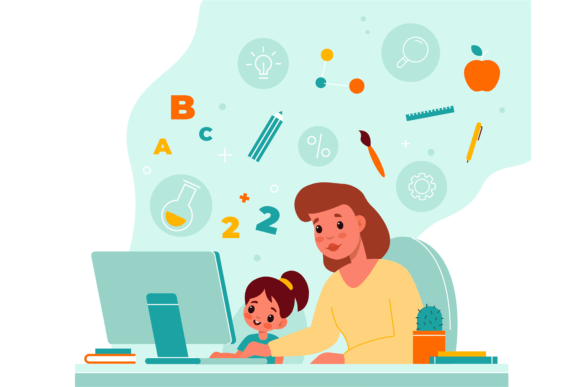
The landscape of education has undergone a seismic shift, moving from the rigid confines of traditional brick-and-mortar classrooms to the flexible, digital frontiers of remote instruction. This transformation is best encapsulated by the concept where distance learning. children study online, creating a new paradigm for how knowledge is acquired and shared. What was once an emergency stopgap measure during global disruptions has evolved into a sophisticated, permanent fixture in the educational ecosystem. The image of a classroom is no longer limited to rows of desks; it now includes cozy home corners, virtual breakout rooms, and interactive digital whiteboards where students and teachers connect across vast distances.
The Evolution of Virtual Classrooms
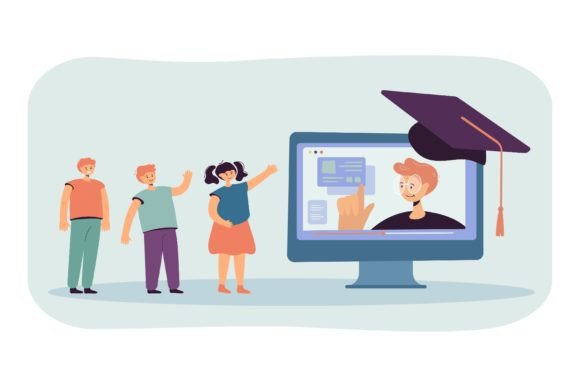
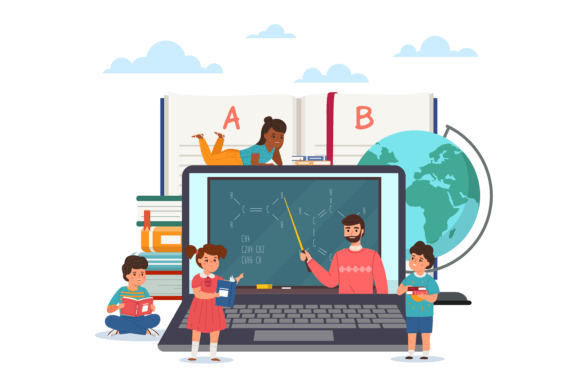
Understanding the current state of remote education requires looking at how quickly the infrastructure has matured. In the early days, online schooling was often characterized by static PDFs and asynchronous discussion boards that lacked real-time engagement. Today, the experience is dynamic and immersive. Imagine a scene reminiscent of a modern vector illustration: cute pupils with bright eyes focused intently on their laptop screens, watching a teacher deliver a video lecture with the same energy as they would in person. This visual representation captures the essence of the modern learner—engaged, connected, and curious.
Technology has bridged the gap between physical presence and digital interaction. High-speed internet, cloud-based collaboration tools, and advanced learning management systems (LMS) have made it possible for a student in a rural area to access the same high-quality chemistry lesson as a peer in a major metropolitan hub. The barrier of geography has been dismantled, allowing for a democratization of resources that was previously unimaginable. When we discuss how children study online, we are talking about a complex interplay of hardware, software, and pedagogical strategy designed to replicate and enhance the traditional learning experience.
Bridging the Gap with Digital Tools
The tools available today go far beyond simple video conferencing. Platforms now offer integrated features such as real-time polling, collaborative document editing, and gamified quizzes that keep students engaged. For instance, during a web chemistry lesson, a teacher might use a simulation tool to allow students to mix virtual chemicals safely, observing reactions that would be too dangerous or expensive to perform in a standard school lab. This level of interactivity ensures that distance learning is not merely passive consumption but active participation.
Communication channels have also diversified. While video calls remain central for synchronous lessons, messaging apps and forum threads facilitate continuous dialogue. Students can ask questions at any time of day, receiving responses from peers or instructors who may be in different time zones. This flexibility supports diverse learning styles and schedules, making education more accessible to those with unique needs or family obligations.
Pedagogical Shifts in Remote Education
Effective distance learning requires more than just digitizing textbooks; it demands a fundamental shift in teaching methodology. Educators must adapt their strategies to maintain student attention in a home environment filled with distractions. The role of the teacher transforms from a lecturer standing at the front of a room to a facilitator guiding a journey through digital content. This shift emphasizes self-regulation, critical thinking, and independent problem-solving skills.
In this model, the curriculum is often broken down into smaller, manageable modules. Instead of a two-hour block of continuous instruction, lessons are segmented into ten-minute videos interspersed with interactive activities. This approach aligns with cognitive science research suggesting that shorter bursts of focused learning lead to better retention. When children study online, they are encouraged to take ownership of their pace, revisiting difficult concepts as needed without the pressure of keeping up with a live class.
Personalized Learning Pathways
One of the most significant advantages of remote education is the potential for personalization. Data analytics embedded in learning platforms allow educators to track student progress in real-time. If a student struggles with a specific concept in algebra, the system can automatically suggest additional resources or alternative explanations tailored to their learning style. This level of customization is difficult to achieve in a traditional classroom with thirty students, where instruction is often one-size-fits-all.
Furthermore, remote environments foster a sense of community through intentional design. Virtual group projects, peer review sessions, and online study halls help build social connections. These interactions are crucial for developing soft skills like teamwork and communication. By leveraging technology, educators can create inclusive spaces where every voice is heard, regardless of personality type or background.
Practical Applications Across Disciplines
The versatility of distance learning extends across all academic disciplines, each adapting the medium to its unique requirements. In the sciences, as mentioned earlier, virtual labs and simulations provide safe, cost-effective ways to explore complex phenomena. History classes can utilize virtual reality tours to visit ancient ruins or historical sites, bringing the past to life in ways that textbooks cannot. Literature courses can host live author interviews or global book clubs, connecting students with writers and readers from around the world.
For creative subjects like art and music, the digital realm offers new avenues for expression. Students can share their artwork instantly via digital portfolios, receive immediate feedback, and collaborate on multimedia projects. Music lessons can involve real-time jam sessions using low-latency audio software, allowing students to play together despite being miles apart. These applications demonstrate that distance learning is not a limitation but a catalyst for innovation in teaching and learning.
Real-World Scenarios and Use Cases
Consider the scenario of a family relocating frequently due to a parent's job. Traditional schooling might disrupt the child's education, causing them to fall behind or lose continuity. With distance learning, the child can maintain their curriculum seamlessly, ensuring they stay on track academically. Similarly, students with chronic illnesses or mobility challenges can access education without the physical strain of commuting or navigating inaccessible buildings.
Businesses and organizations also benefit from this model. Corporate training programs increasingly adopt distance learning principles to upskill employees efficiently. Just as children study online for their academic growth, professionals engage in continuous learning to stay competitive in their fields. The underlying mechanics are similar: flexible scheduling, modular content, and performance tracking.
Challenges and Considerations
While the benefits of remote education are substantial, it is essential to acknowledge the challenges. The digital divide remains a significant issue, with disparities in internet access and device availability affecting equity. Not all families have the resources to provide a conducive learning environment at home, which can exacerbate existing inequalities. Addressing these gaps requires concerted efforts from governments, schools, and communities to ensure universal access.
Additionally, the lack of face-to-face interaction can impact social development, particularly for younger children. Schools must implement strategies to foster social-emotional learning, such as scheduled virtual playdates or mentorship programs. Teacher burnout is another concern, as educators often face increased workloads managing both digital and physical responsibilities. Supporting teachers with adequate training and resources is crucial for the sustainability of distance learning initiatives.
Ensuring Quality and Engagement
Maintaining high standards in remote education requires rigorous quality assurance. Institutions must regularly evaluate their digital curricula to ensure they meet educational benchmarks. Feedback loops involving students, parents, and teachers are vital for continuous improvement. Engaging content, clear instructions, and responsive support systems are key components of a successful online learning experience.
Moreover, balancing screen time with offline activities is important for holistic development. Encouraging hands-on projects, outdoor exploration, and family discussions complements digital learning and promotes well-being. A balanced approach ensures that while distance learning. children study online effectively, they also grow socially, emotionally, and physically.
Future Trends in Remote Education
Looking ahead, the future of distance learning promises even greater integration of emerging technologies. Artificial intelligence will play a larger role in personalizing learning experiences, predicting student needs, and automating administrative tasks. Augmented reality could transform how students interact with 3D models, making abstract concepts tangible and engaging. Blockchain technology may revolutionize credentialing, providing secure, verifiable records of achievement.
As society becomes increasingly digital, the distinction between online and offline learning will blur further. Hybrid models, combining the best of both worlds, will likely become the norm. Schools will offer flexible options that allow students to choose when and where they learn, supported by robust digital infrastructures. This evolution reflects a broader cultural shift towards lifelong learning, where education is not confined to specific years or locations but is a continuous, adaptable process.
Preparing for Tomorrow's Learners
To prepare for this future, stakeholders must invest in infrastructure, teacher training, and policy development. Collaboration between educators, technologists, and policymakers is essential to create frameworks that support innovative practices while safeguarding student welfare. By embracing change and addressing challenges proactively, we can harness the full potential of distance learning to empower the next generation.
In conclusion, the journey of children studying online represents a pivotal moment in educational history. It challenges us to rethink what learning looks like, offering opportunities for greater accessibility, personalization, and innovation. As we navigate this evolving landscape, the focus must remain on creating meaningful, engaging, and equitable experiences for all learners. Whether through a cartoon depiction of pupils watching a video lecture or the reality of complex virtual collaborations, the core mission remains unchanged: to inspire curiosity, foster growth, and unlock human potential.