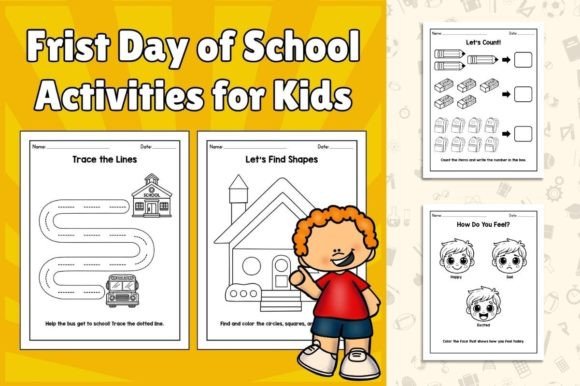
First Day of School Coloring Activities
The first day of school sets the tone for an entire academic year, and from a visual design perspective, how we present this moment matters immensely. Starting the school year with our First Day of School Coloring Activities for Special Education offers more than just a pastime; it represents a strategic application of inclusive graphic design principles to create accessible, engaging, and emotionally supportive environments. For designers, educators, and parents alike, these resources demonstrate how thoughtful visual communication can bridge gaps in understanding and foster a sense of belonging through art.
The Intersection of Inclusive Design and Visual Communication
In the realm of modern graphic design, accessibility is no longer an afterthought but a core component of effective brand identity and user experience (UX). When creating First Day of School Coloring Activities, the goal is to craft creative assets that are visually appealing yet functionally robust for diverse learners. This requires a deep understanding of visual hierarchy, ensuring that lines are bold enough for developing fine motor skills while maintaining a clean composition that avoids cognitive overload.
These printable resources serve as a prime example of how design can influence behavior and emotion. By utilizing a clear, high-contrast line art style, designers can create a welcoming aesthetic that reduces anxiety. The simplicity of the outlines allows students to focus on the act of creation rather than deciphering complex imagery, aligning perfectly with UX design principles that prioritize usability and clarity.
Key Design Elements for Engagement
To maximize the impact of these activities, several critical design factors must be considered:
- Visual Hierarchy: Guiding the eye naturally across the page ensures that the most important elements, such as the "Welcome" text or central illustration, are immediately recognizable.
- Color Palette Strategy: While the pages are black and white for coloring, the surrounding layout and instructions should utilize a calming, professional color palette to signal safety and creativity.
- Typography: Selecting legible, sans-serif fonts enhances readability for young readers and those with dyslexia, reinforcing the educational value of the material.
- Scalability: Ensuring the artwork remains crisp at 8.5 x 11 inches is essential for print design, guaranteeing that every detail translates perfectly from digital file to physical paper.
Practical Applications Across Creative Projects
The utility of these design assets extends far beyond the classroom. Marketers, content creators, and business owners can leverage similar visual strategies to enhance their own branding and communication efforts. Just as these coloring pages build confidence in students, well-crafted design elements build trust in consumers.
Consider how these concepts apply to various sectors:
- Branding and Logo Design: Simple, scalable line art can form the basis of a memorable logo that communicates approachability and inclusivity.
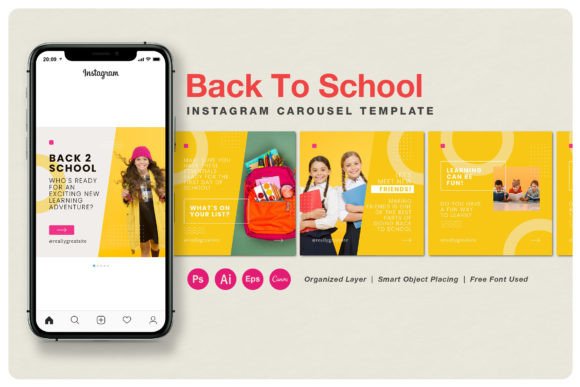
- Social Media Graphics: Interactive posts that encourage user-generated content, similar to coloring activities, drive higher engagement rates and community building.
- Editorial Design: Magazines and newsletters often use activity-based layouts to break up text and maintain reader interest, much like the "Meet My Friends" section encourages social interaction.
- Packaging Design: Incorporating interactive elements on product packaging can transform a standard unboxing experience into a memorable brand interaction.
- Digital Products: UI design for educational apps can mimic the tactile feel of coloring books, using vector graphics that respond intuitively to user input.
Evaluating Quality in Creative Assets
When selecting or creating resources like these, the quality of the design workflow is paramount. A professional presentation relies on consistency, whether it is the thickness of a line or the spacing between elements. High-quality print-ready files, available in PDF or JPG formats, ensure that the final output meets industry standards. This attention to detail reflects a commitment to excellence that resonates with both end-users and stakeholders.
Furthermore, the ability to adapt these designs for different platforms—from web design to merchandise—demonstrates the versatility of strong foundational graphic design. Whether you are designing a website for an educational institution or creating marketing materials for a back-to-school campaign, the principles of clarity, engagement, and emotional connection remain constant.
Ultimately, the power of First Day of School Coloring Activities lies in their ability to transform a potentially stressful event into a positive, creative journey. By prioritizing thoughtful design choices, we not only improve aesthetics but also enhance communication, ensuring that every student feels seen, heard, and ready to learn. In a world saturated with visual noise, the clarity and purpose found in these simple yet profound design assets stand out as a testament to the enduring value of good design.